


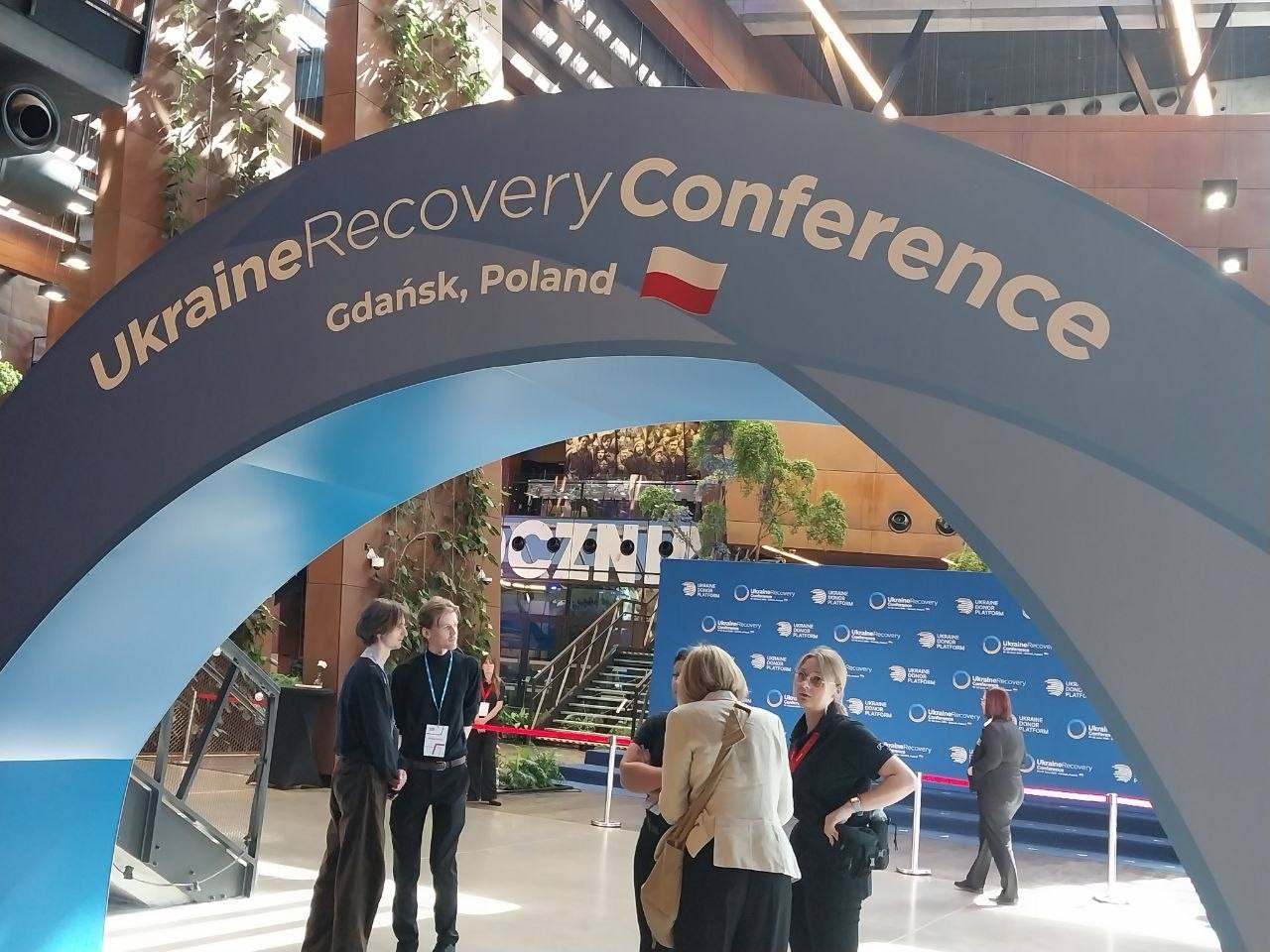
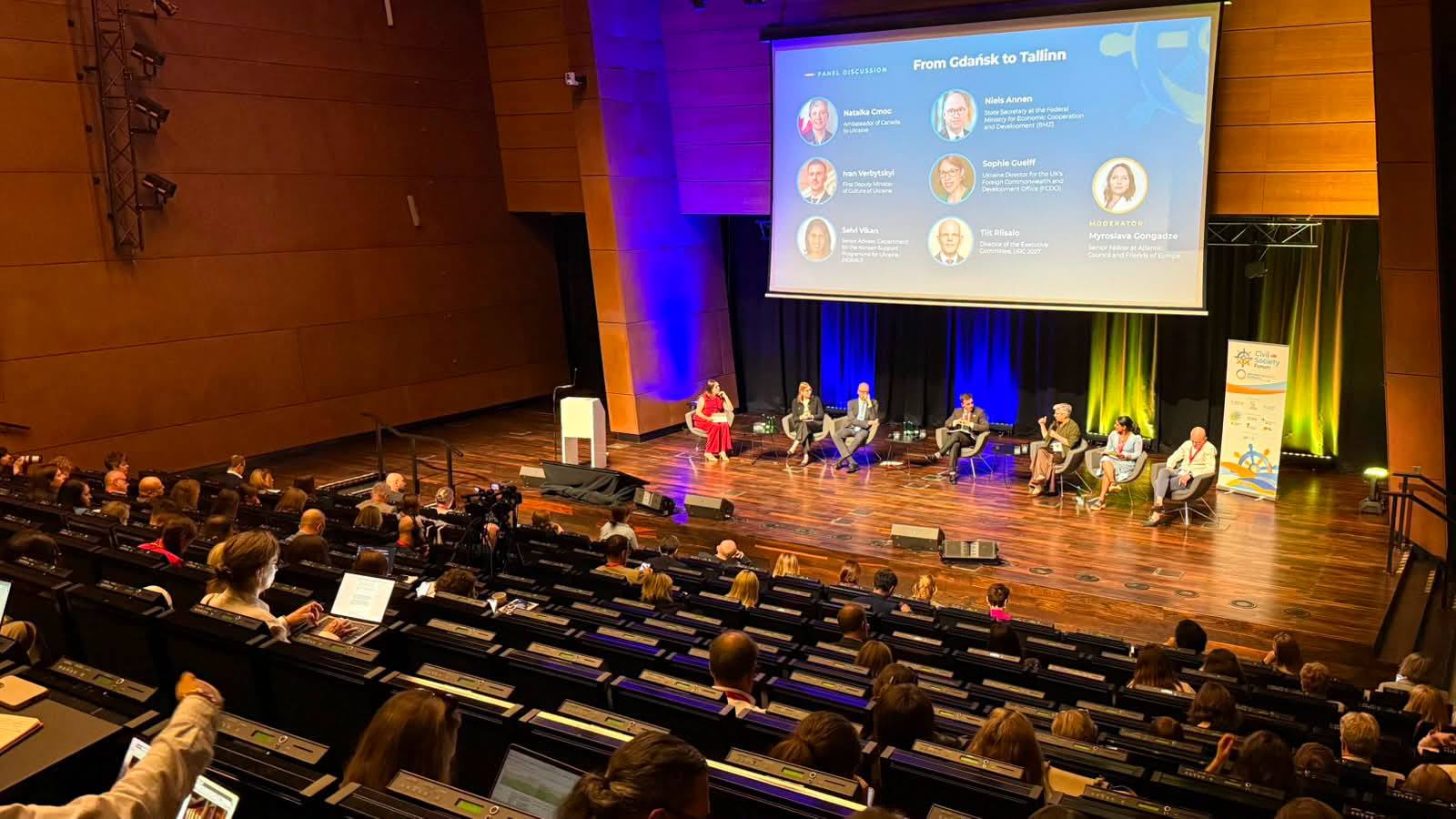
The team of the Roma Women Fund Chirikli is working at the Ukraine Recovery Conference in Gdańsk, Poland. The fund is taking part in the Civil Society Forum and in several high-level side events dedicated to inclusive recovery, gender-responsive reconstruction and human capital development.
The message Chirikli brought to Poland is straightforward: Roma communities belong in recovery policies and programmes as part of the planning, not as a passing mention. Particular attention goes to the situation of Roma women.
Why the fund attends the recovery conference every year
The Ukraine Recovery Conference is the venue where governments, international organisations, civil society and development partners align the reconstruction agenda. It is there that decisions are shaped about which areas receive funding and under what rules it is distributed.
As a leading Roma advocacy organisation in Ukraine, Chirikli takes part every year. The reason is simple: reconstruction decisions are made once, while communities live with them for decades. If Roma communities are absent at the planning stage, adding them back into a programme later is far harder.
The Civil Society Forum and side events
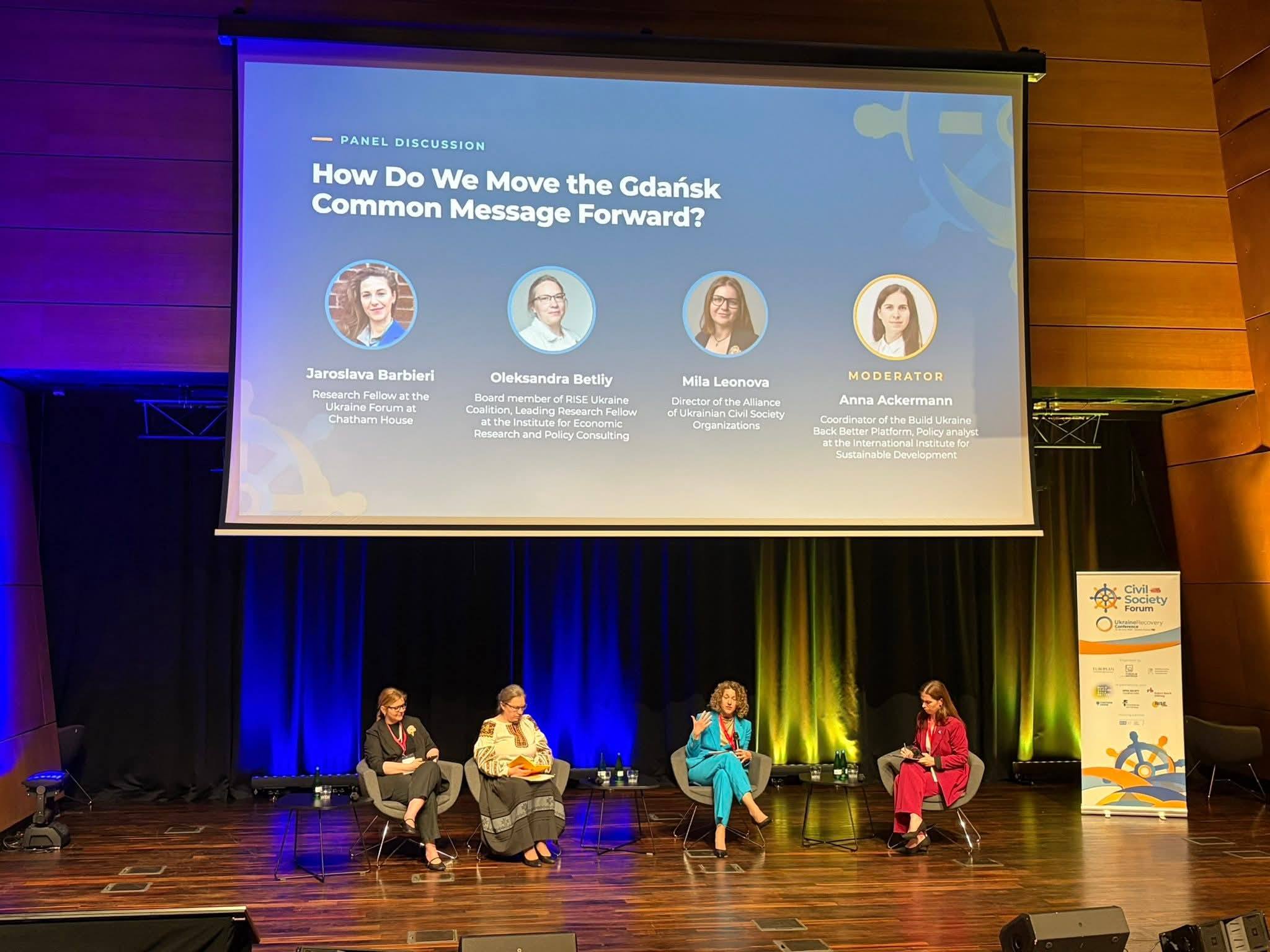
This year the conference is being held in Gdańsk. The fund’s team is working within the Civil Society Forum — the part of the programme where organisations formulate shared demands regarding reconstruction — as well as in a number of high-level side events.
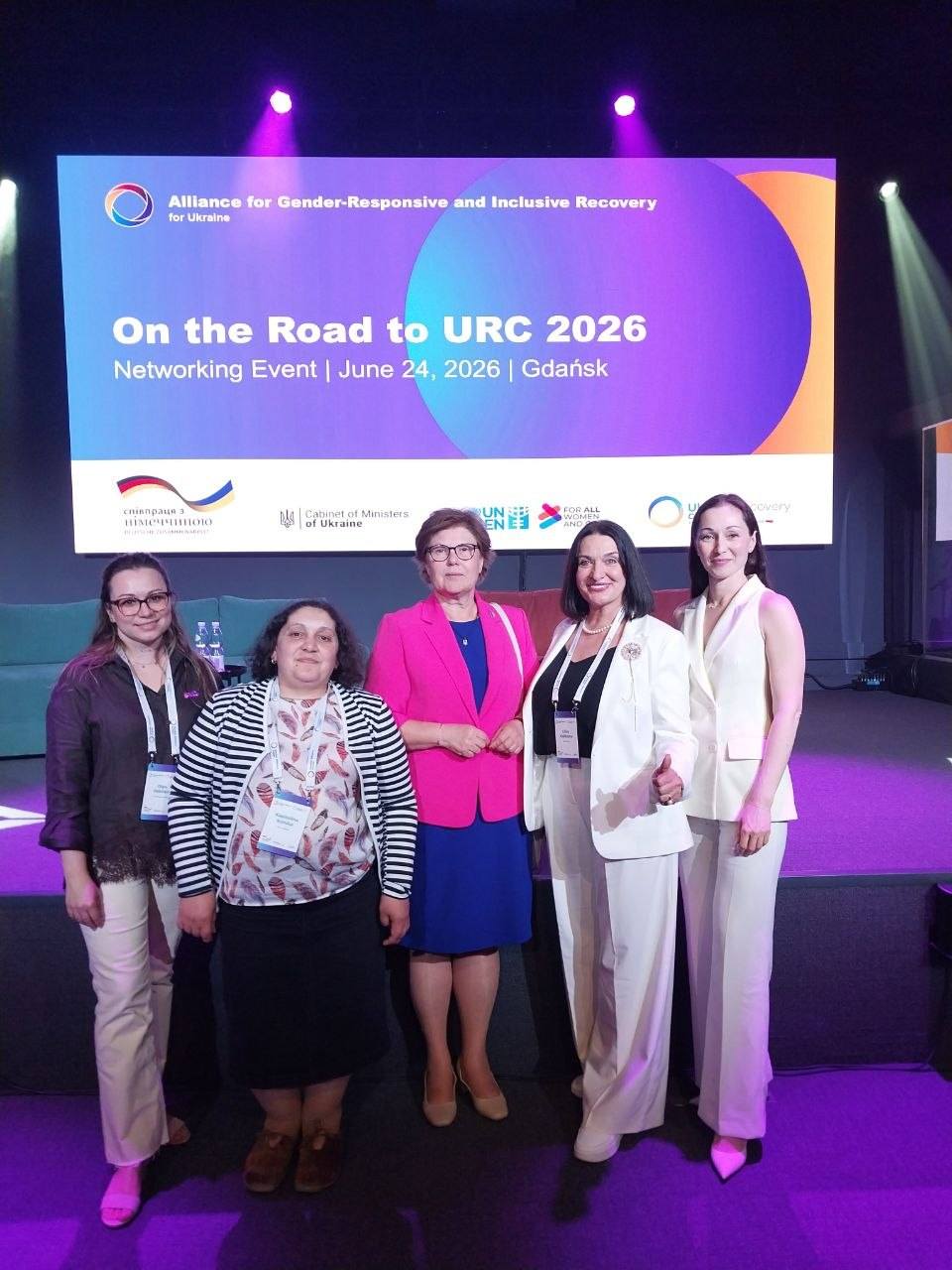
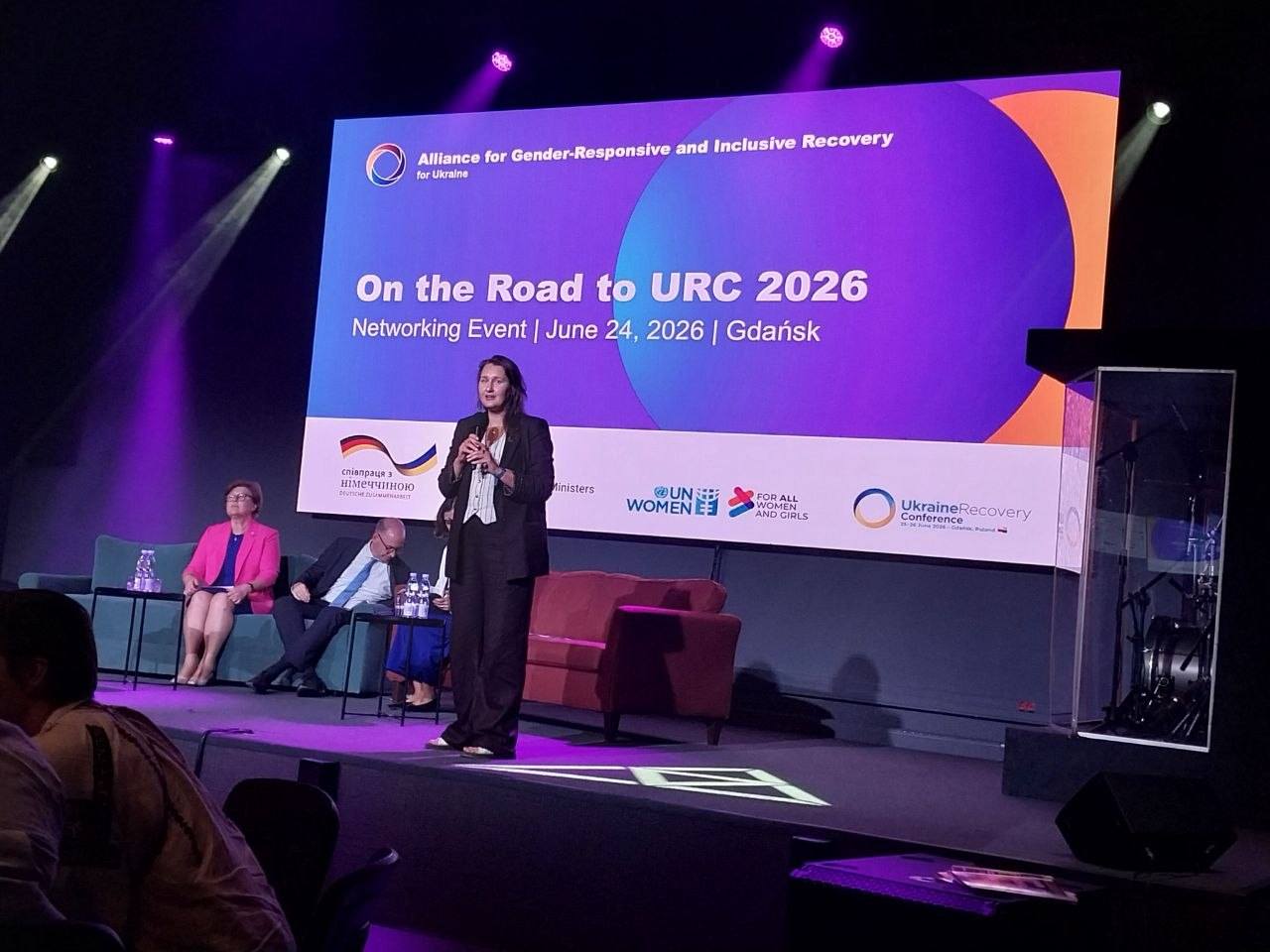
Those events cover inclusive recovery, gender-responsive reconstruction and human capital development. On 24 June the fund joined the “On the Road to URC 2026” networking event organised by the Alliance for Gender-Responsive and Inclusive Recovery for Ukraine.
Why Roma women are a distinct topic
Roma women face multiple and intersecting forms of discrimination: ethnicity, gender and poverty compound one another. As a result they end up outside support systems more often than others — including systems that are formally open to everyone.
The war deepened that inequality. Loss of housing and livelihoods, displacement, limited access to services and employment all hit Roma women harder than the national average. Added to this is the increased burden of unpaid care work, which falls almost entirely on women.
The fund raises these issues at other European venues as well — among them discussions on gender equality and Roma Week in Brussels.
Reparations and recovery mechanisms
A separate strand of Chirikli’s advocacy at the conference is the integration of Roma women into reparations and recovery mechanisms. The point is for these systems to recognise the gendered patterns of harm caused by the war rather than operate with an averaged victim in mind.
That requires removing structural barriers. A woman without documents, or without registered ownership of her home, often cannot prove the loss — and drops out of the compensation mechanism at the application stage. For Roma communities, documentation becomes a question of access to reconstruction itself.
What “leave no one behind” means in practice
The phrase “leave no one behind” is heard at every recovery conference. Its practical meaning is plain: reconstruction succeeds when it is inclusive, rights-based and responsive to the needs of the most vulnerable communities.
For Chirikli that translates into specific work — making sure recovery programmes include mechanisms Roma communities can actually use. The same applies to the labour market, to access to services and to housing programmes.
#Chiricli #URC2026 #UkraineRecoveryConference #RomaWomen #InclusiveRecovery #RomaRights #Gdansk