


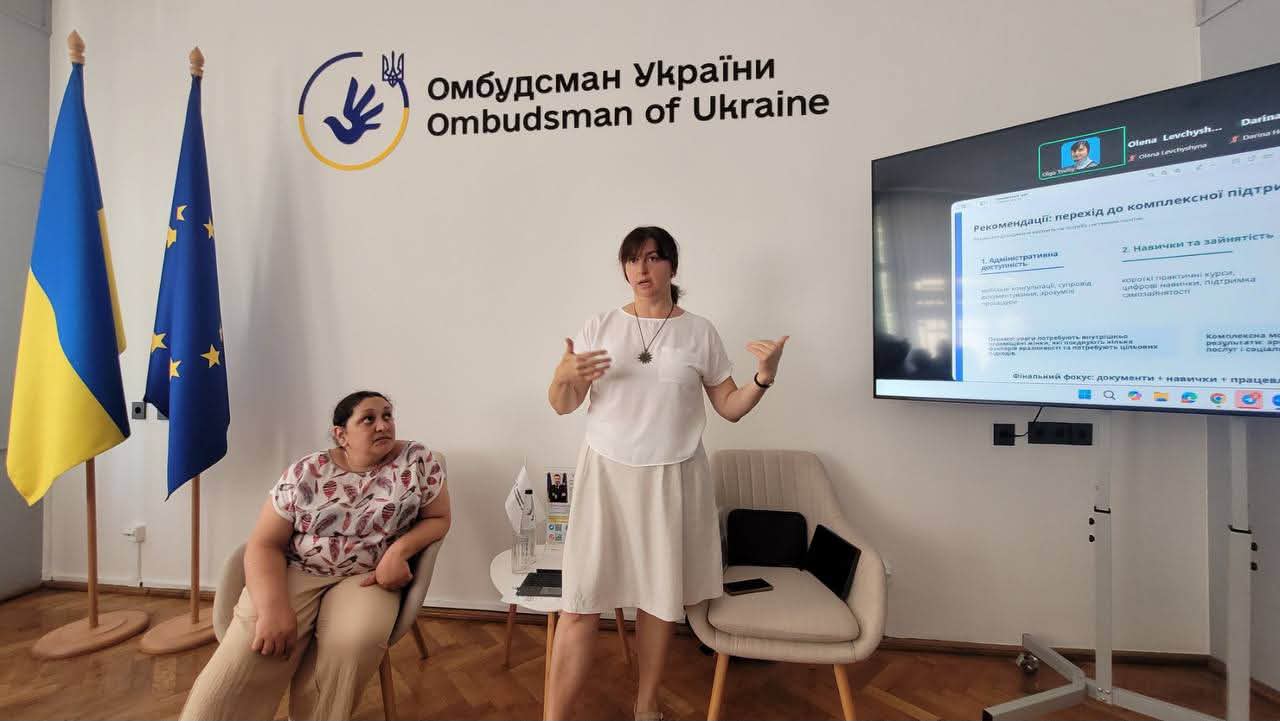
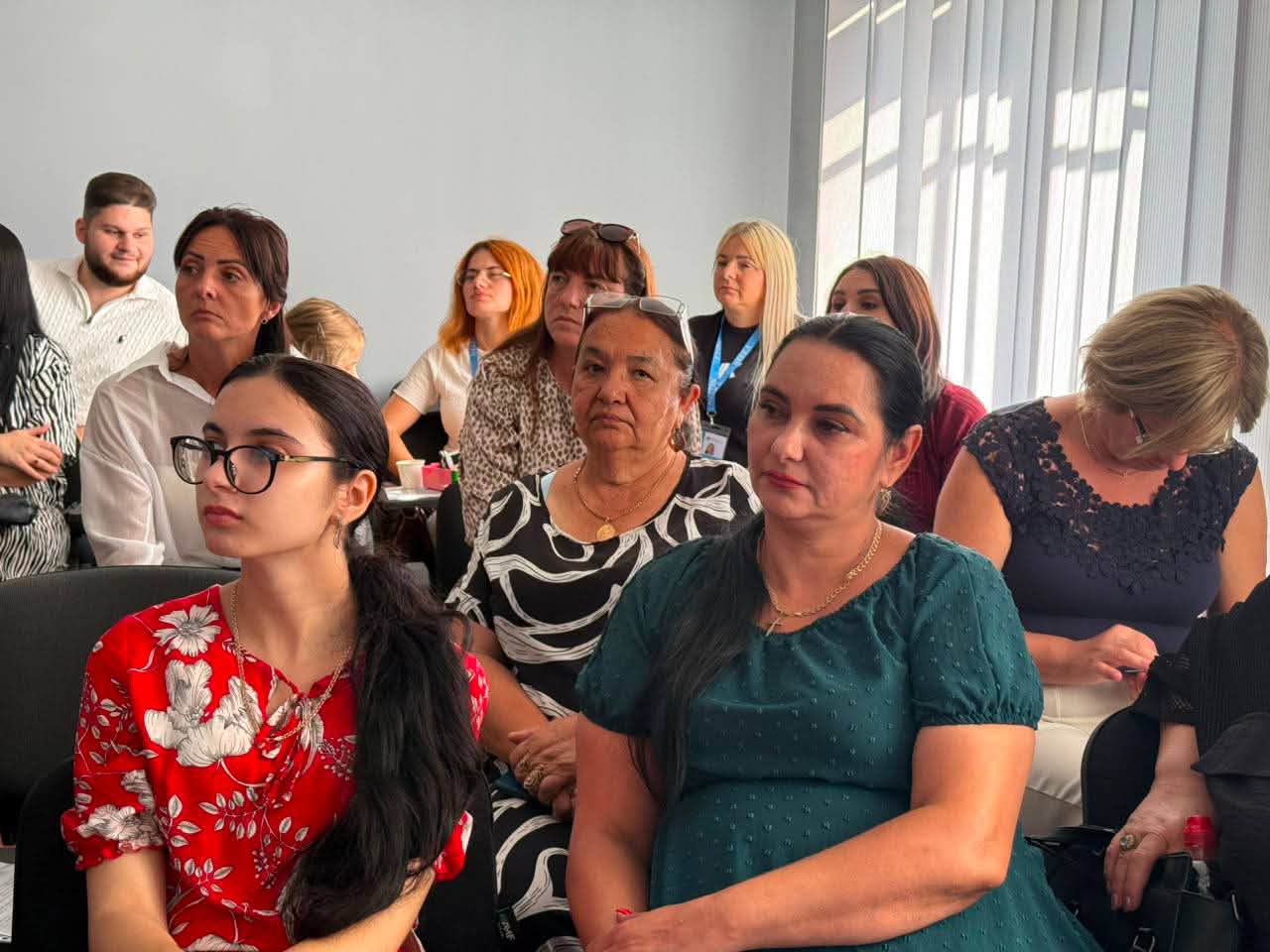
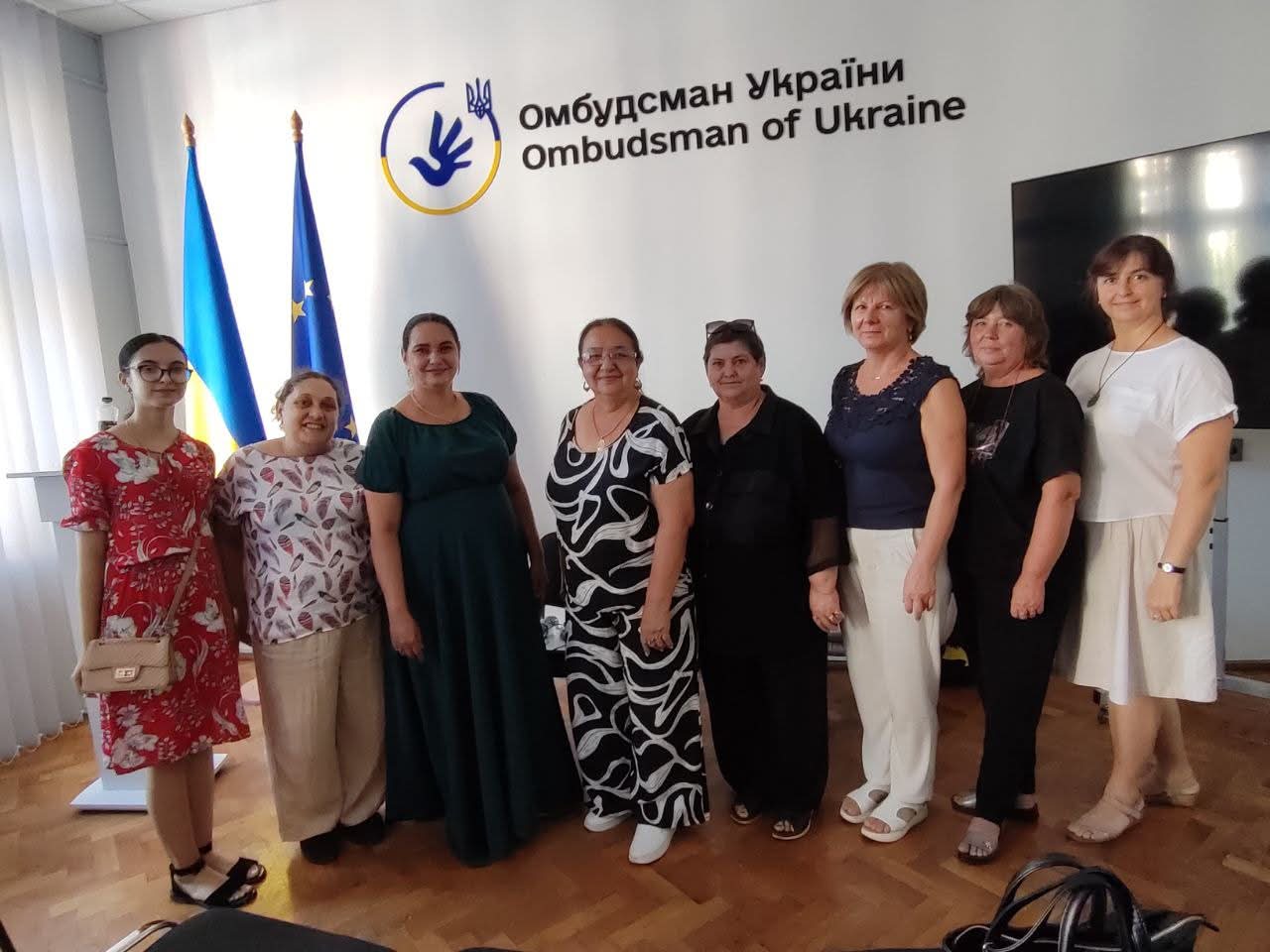
On 31 July 2026 the team of the Roma Women Fund Chirikli took part in a round table on “The situation of Roma women in Zakarpattia and gender-responsive approaches to planning local measures to improve it”. The meeting was held in Uzhhorod, at the regional office of the Ukrainian Parliament Commissioner for Human Rights in Zakarpattia.
Participants discussed the findings of a study on the situation of Roma women, the barriers they face in accessing education, healthcare, social and administrative services — and looked for shared solutions to those challenges.
What the study showed
Most Roma women still face systemic discrimination and difficulties with employment, documentation and access to public services. These are not isolated cases but a persistent set of obstacles that compound one another: without a document there is no job, without a job there is no income, and without income restoring a document is harder still.
At the same time the study recorded something else: Roma women show strong motivation towards education, professional development and economic independence. The issue is not a lack of will but the barriers standing between that will and the opportunity.
A barrier rarely named as a problem
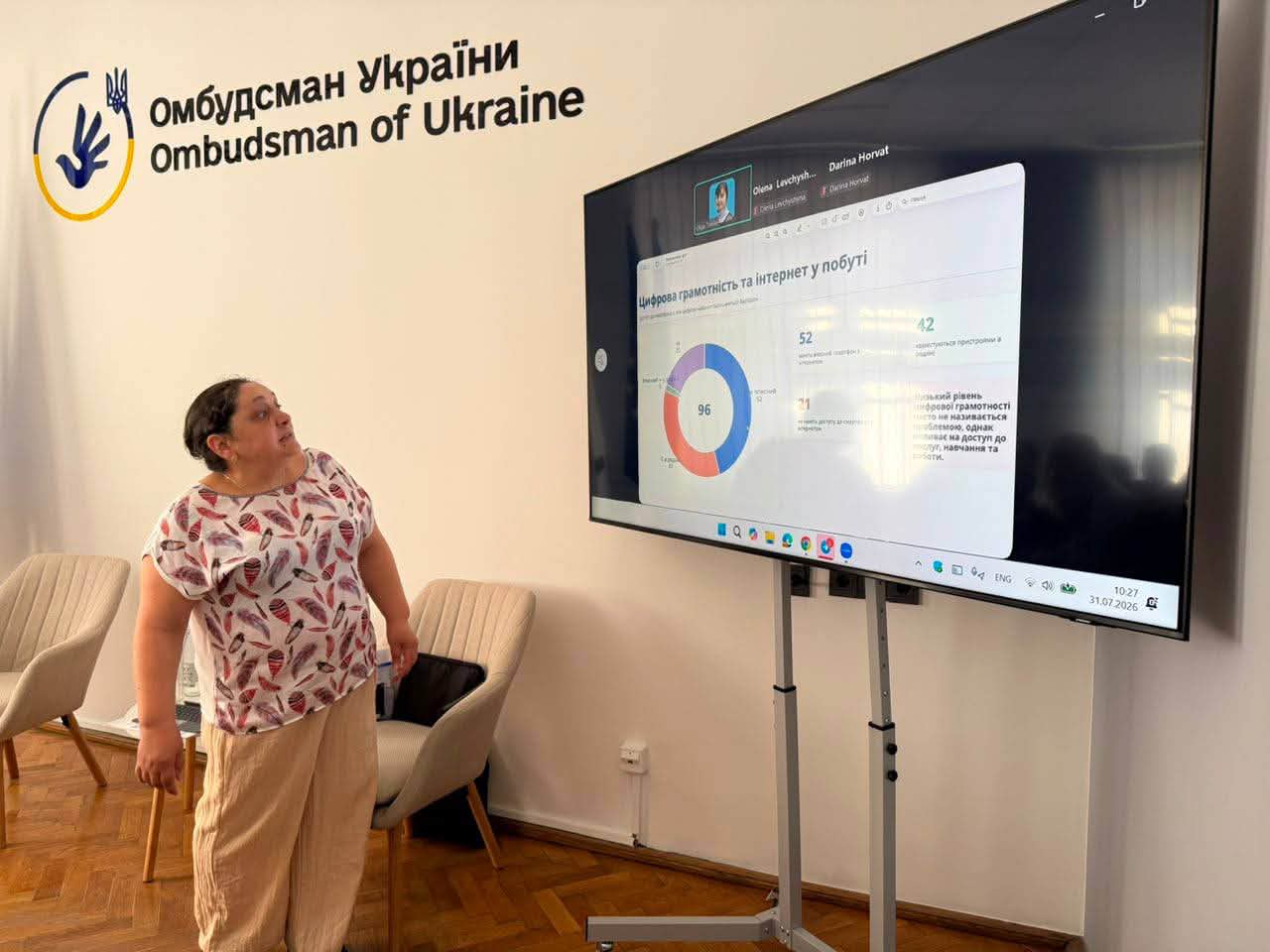
A separate theme of the presentation was digital literacy and internet use in Roma households. Low digital literacy usually does not make the list of problems — against a background of missing documents or unemployment it looks secondary.
Yet it quietly blocks access to services, education and work. More and more public services operate online; for a person without the skills to use them, an “available” service remains out of reach.
From description to recommendations
The presentation moved from describing the situation to recommendations — comprehensive support instead of isolated measures. The first strand is administrative accessibility: guidance, consultation, comprehensible procedures. The second is skills and employment: short practical courses, digital skills, support for self-employment.
The final focus was formulated as a chain of three elements: documents, skills, employment. None of them solves the problem alone — only the sequence works.
The social atlas as an evidence base
The meeting also included a brief presentation of the findings of the Social Atlas, carried out jointly with the Office of the Ombudsman of Ukraine. The atlas provides the same picture at community scale — access to basic services and resources expressed in figures.
The next stage of the study will cover 12 territorial communities in Zakarpattia and Odesa region. Together this data gives local authorities grounds to plan measures according to measured needs rather than general assumptions.
Decisions are made together
Effective change is possible only when decisions are made together with Roma women themselves, with communities, authorities and civil society organisations. The same point was made at the forum of project solutions in Uzhhorod the day before.
The fund thanks the regional office of the Commissioner for Human Rights in Zakarpattia for the space for open dialogue and for its continued cooperation. The work goes on — so that the rights and needs of Roma women become the basis of local and national policies rather than remaining the subject of separate meetings.
#Chiricli #RomaWomen #HumanRights #GenderEquality #Zakarpattia #Uzhhorod #Ombudsman