


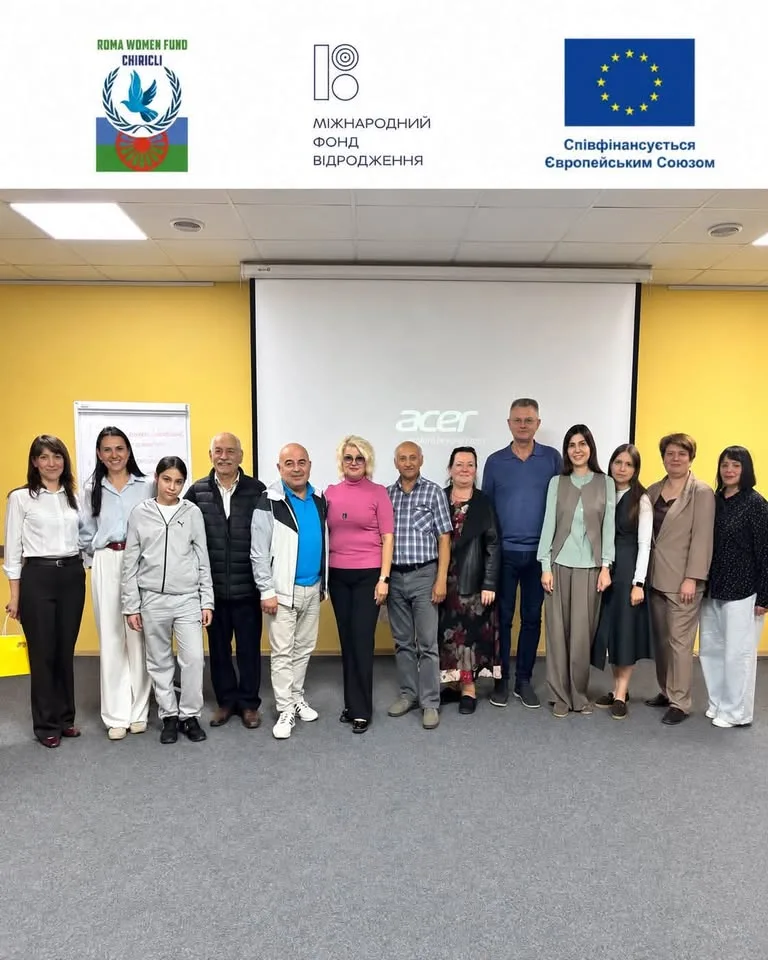
On 17 September 2026, Vinnytsia hosted a seminar titled “Design and implementation mechanisms for consultative bodies involving the Roma community and other national minorities, including women and young people”. The team of the Roma Women Fund Chirikli took part in the event.
The central question was a simple one: what does it take for the voice of the Roma community to genuinely count when decisions are made in local communities.
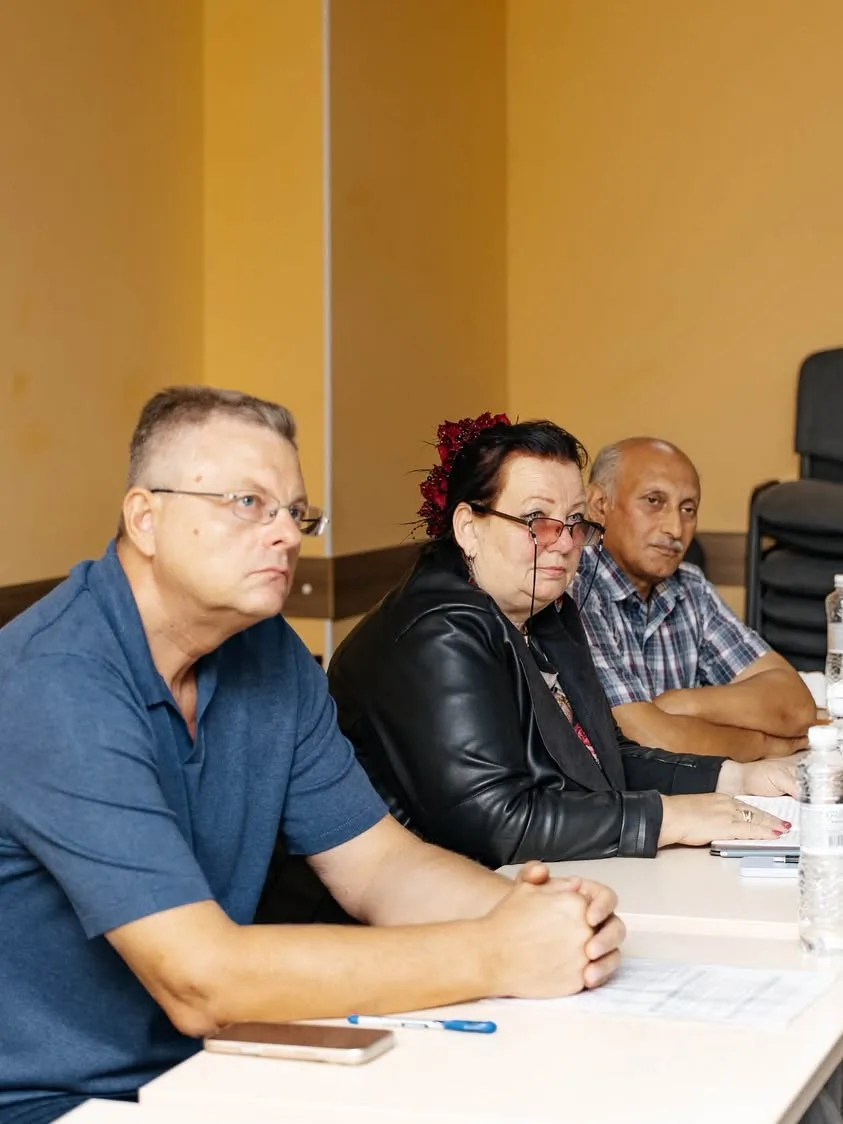
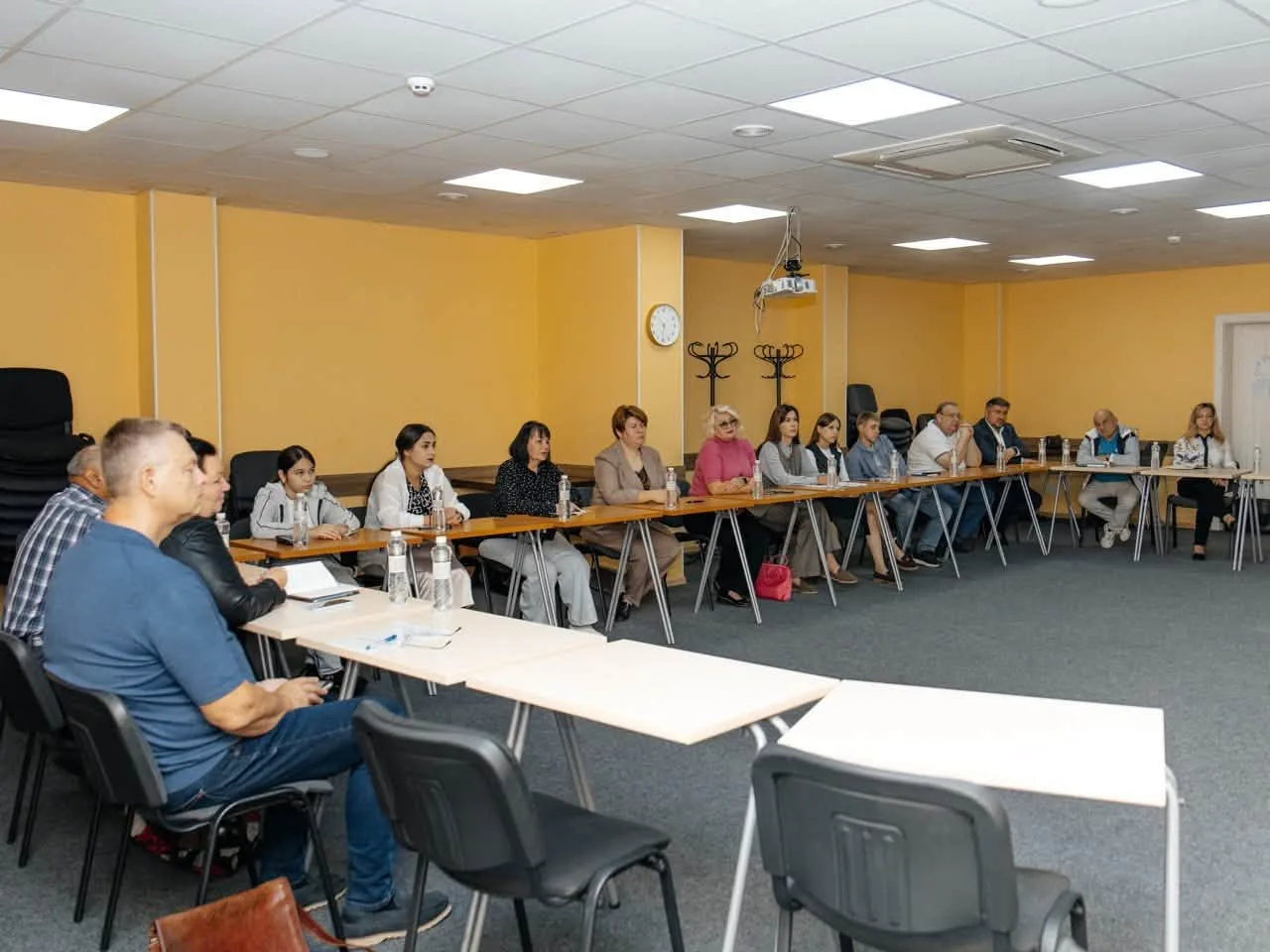

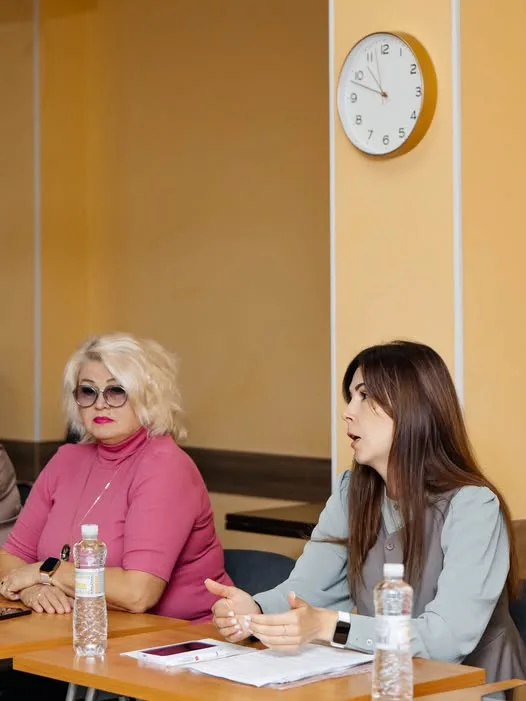
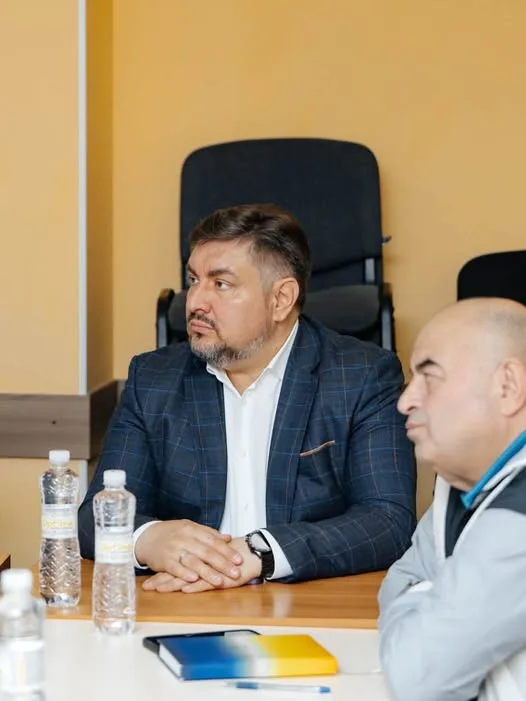
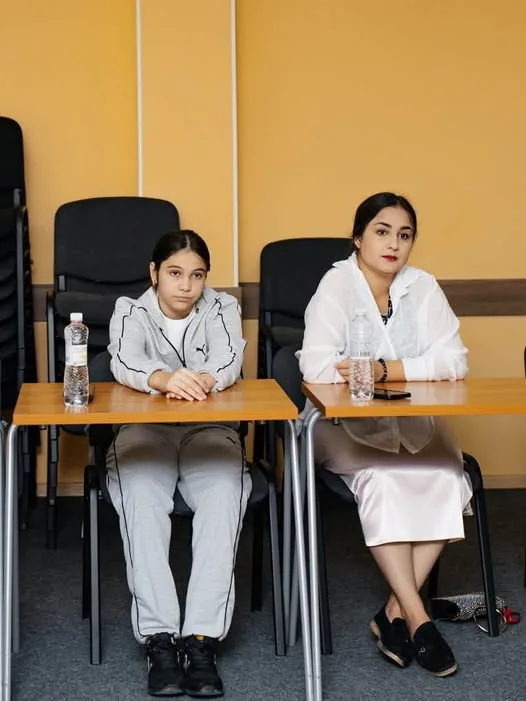
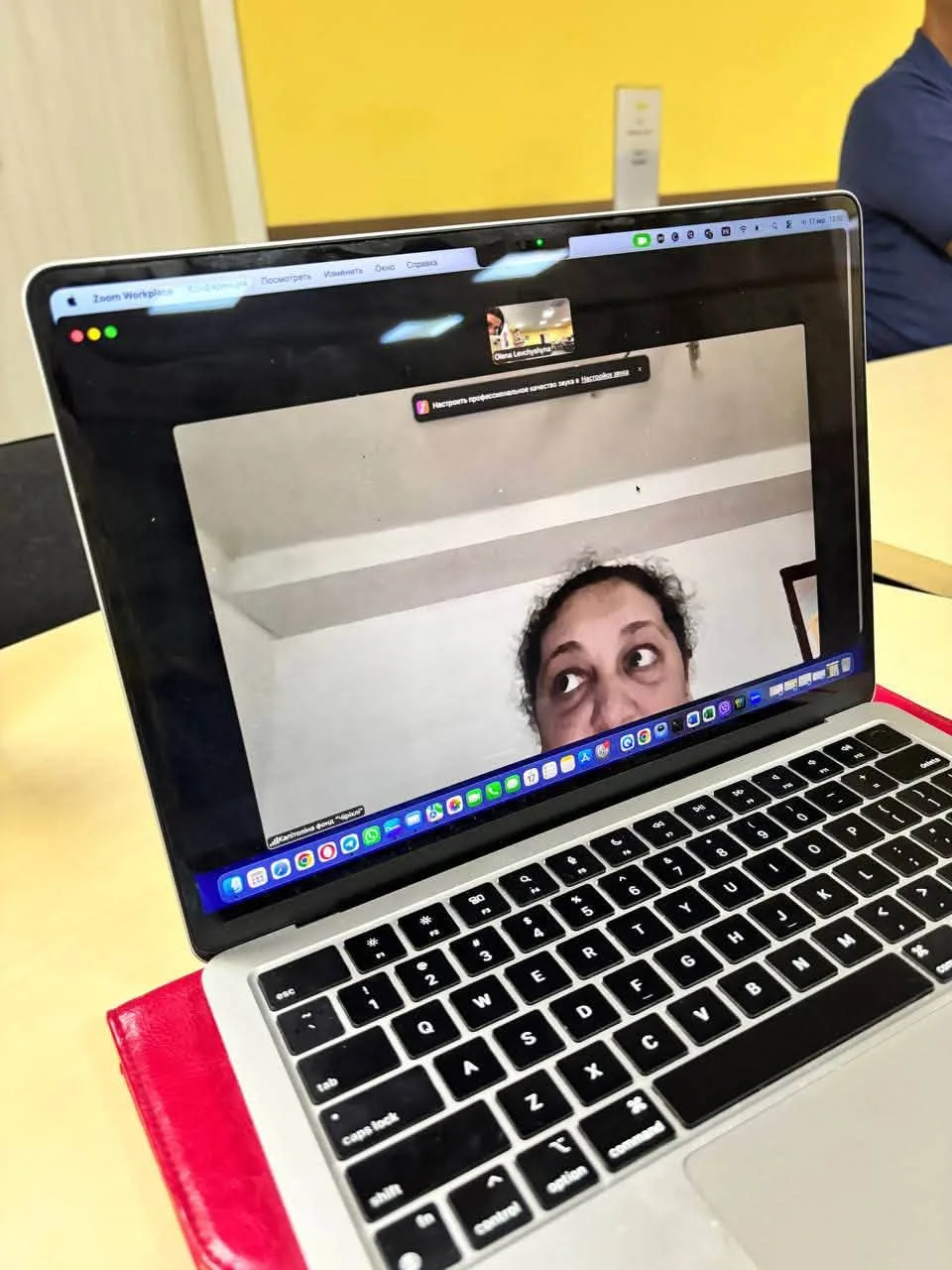
Dialogue between authorities and communities
Participants discussed how to build effective dialogue between state authorities, local self-government, civil society organisations and representatives of national communities. The point is not an occasional meeting, but a standing channel through which the needs of a community reach the people who take decisions.
Particular attention went to securing real rather than formal representation of Roma, women and young people in consultative and advisory bodies. The difference between the two is fundamental: formal representation means a name entered into the minutes, real representation means influence over the content of a decision.
Why the community still stays outside the process
The seminar addressed state policy on the protection of national minority rights and the reasons why the Roma community remains insufficiently involved in decision-making. Those reasons rarely come alone: too little information about the mechanisms themselves, little experience of taking part in them, and little confidence that participation changes anything.
A separate part of the discussion covered the role of civil society organisations, Roma mediators and local leaders, who in practice connect a community with the authorities. This work is also the subject of a year-long project on Roma and national minorities as agents of change, where the local level tends to be the hardest one.
Practical work: models for their own communities
A significant part of the seminar was practical. Participants designed their own models of consultative mechanisms for communities: who should be represented in such bodies, how they should interact with local authorities, prepare recommendations and monitor their implementation.
That last point, monitoring implementation, usually decides the fate of any piece of advice. A recommendation without a way to verify it remains a document, so the models were worked through together with an answer to the question of who follows up on the result and how.
What consultative mechanisms deliver
Consultative mechanisms are not merely meetings or formal councils. They are an opportunity for people to influence decisions that directly affect their lives.
For the Roma community and other national minorities this matters especially, because systematic dialogue with the authorities improves access to legal, social and administrative services, makes it possible to raise community needs in time and to look for solutions together. At the national level this format already operates, for instance through expert discussions on national minority rights at the Ombudsman’s Office, in which the fund takes part regularly.
The outcome and the work ahead
The seminar left participants with practical tools for creating and improving consultative and advisory bodies, and with concrete models they can now apply in their own communities.
In parallel, the fund runs public monitoring of minority rights in ten regions: the seminars prepare people to take part in advisory bodies, while the monitoring shows how those rights are implemented on the ground.
For the Roma Women Fund Chirikli it matters that Roma, and Roma women and young people in particular, are not only recipients of decisions but full participants in shaping them. That is how communities are built in which every person’s voice carries weight.
The event was held with the support of the European Union and the International Renaissance Foundation within the joint initiative “Joining the EU Together”.
#Chiricli #RomaRights #HumanRights #GenderEquality #NationalMinorities #Vinnytsia