


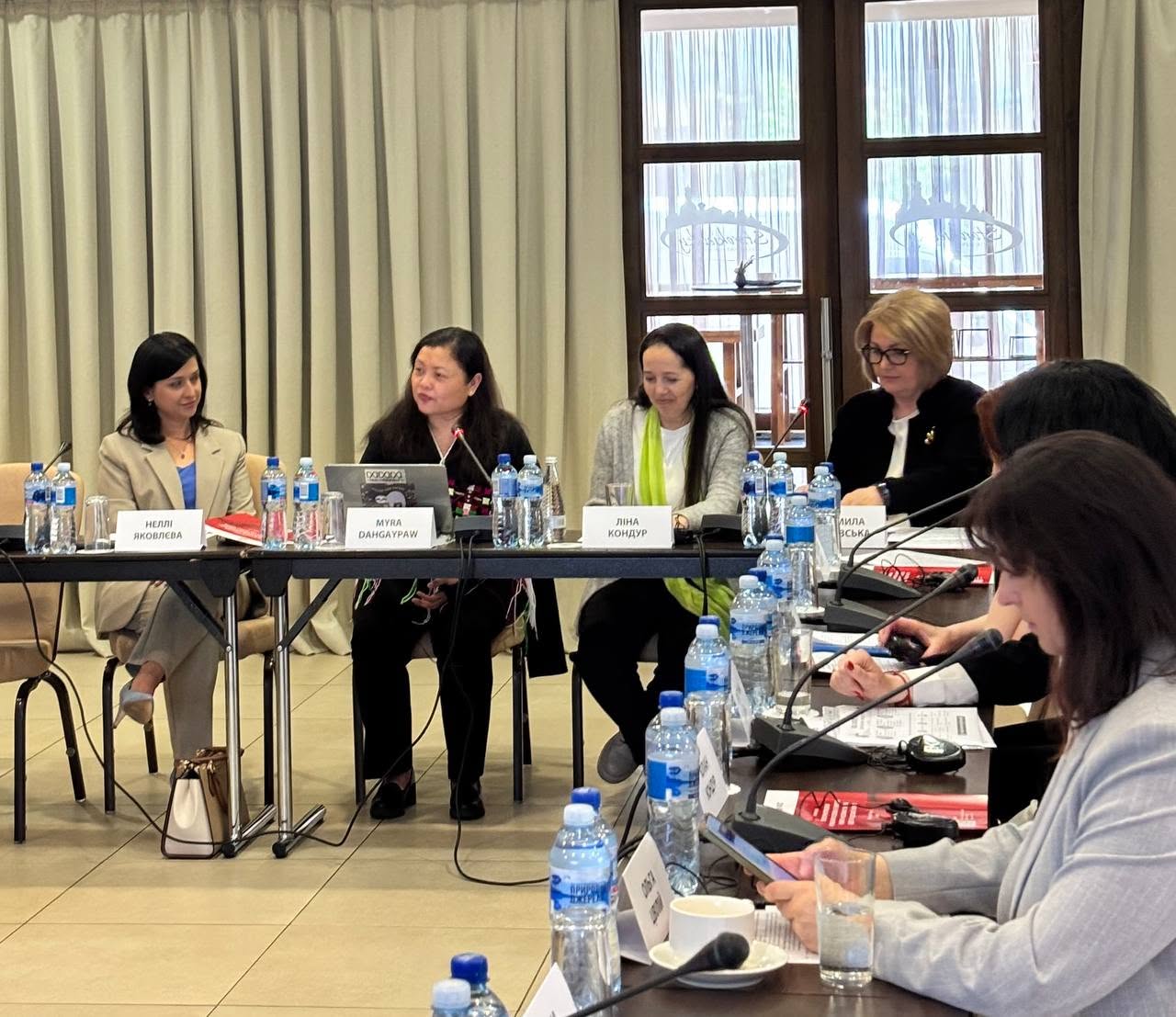
On May 15, a conference was held in Kyiv to address environmental challenges affecting Roma settlements and the impact of water quality on the health of Roma communities in Odesa Region. The event brought together representatives of civil society, public institutions, international organizations, and Roma communities to discuss one of the most fundamental issues — access to safe and clean drinking water.
Participants emphasized that access to clean water is a fundamental human right. At the same time, environmental challenges and inadequate water quality directly affect people’s health and quality of life, particularly in communities where infrastructure remains underdeveloped.
Water, Health, and Living Conditions
During the discussion, participants stressed that access to water cannot be separated from broader housing and social issues. The situation is influenced not only by the condition of water infrastructure but also by the lack of housing documentation, unresolved land tenure issues, and limited access to resources for community development.
For this reason, speakers highlighted the need for a comprehensive approach that combines infrastructure improvements, social support, and the protection of residents’ rights.
Research Findings from Odesa Region
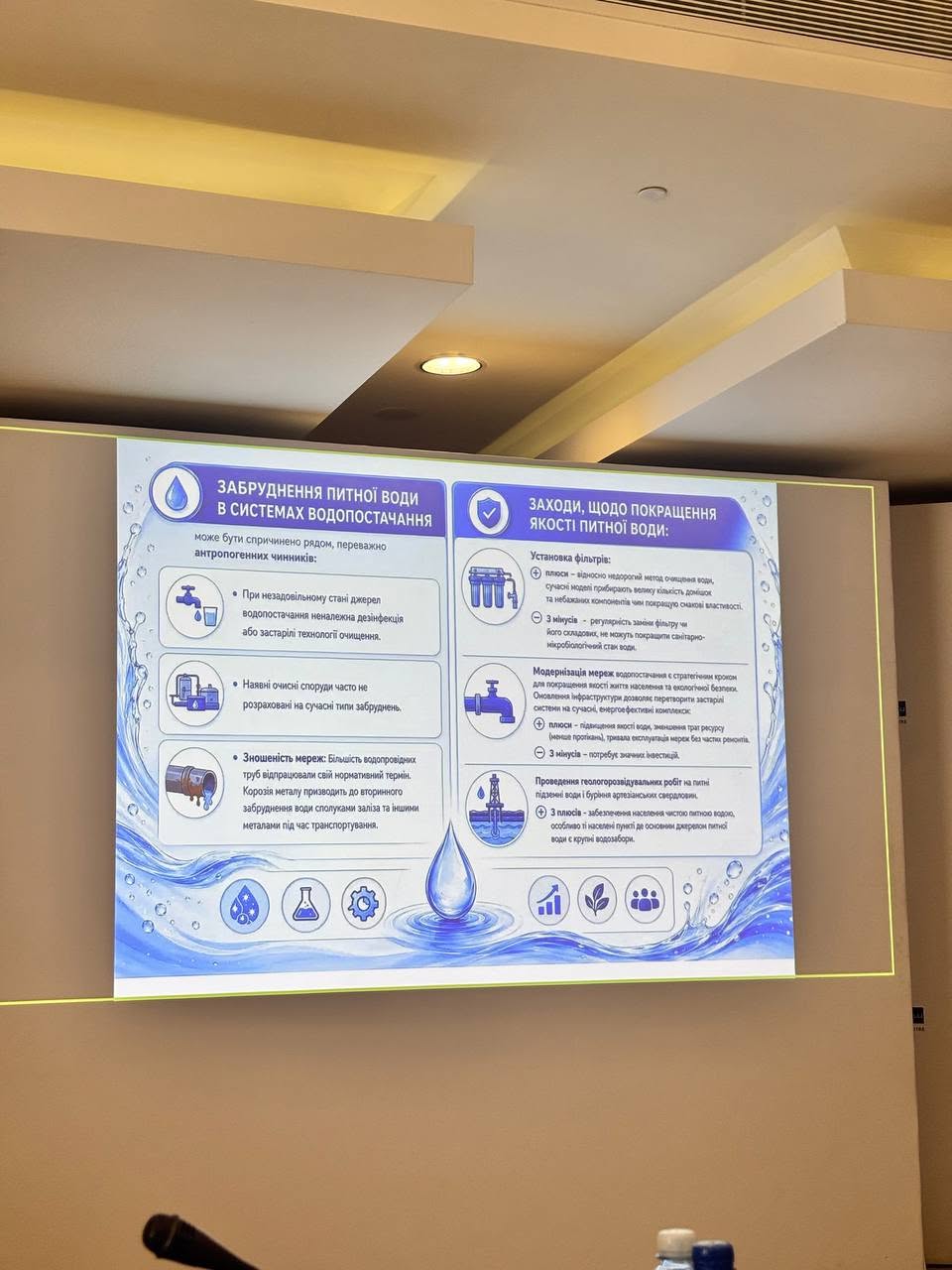
Khrystyna Koieva and Nataliia Oliinyk presented the results of water quality research conducted in Roma communities across Odesa Region. Their findings underscored the need for sustained investment in water infrastructure and stronger monitoring systems.
The researchers emphasized that improving the situation requires stable funding, modernization of water supply systems, installation of filtration equipment, and regular maintenance. However, many communities lack sufficient resources to address these challenges on their own.
Monitoring Results and Good Practices
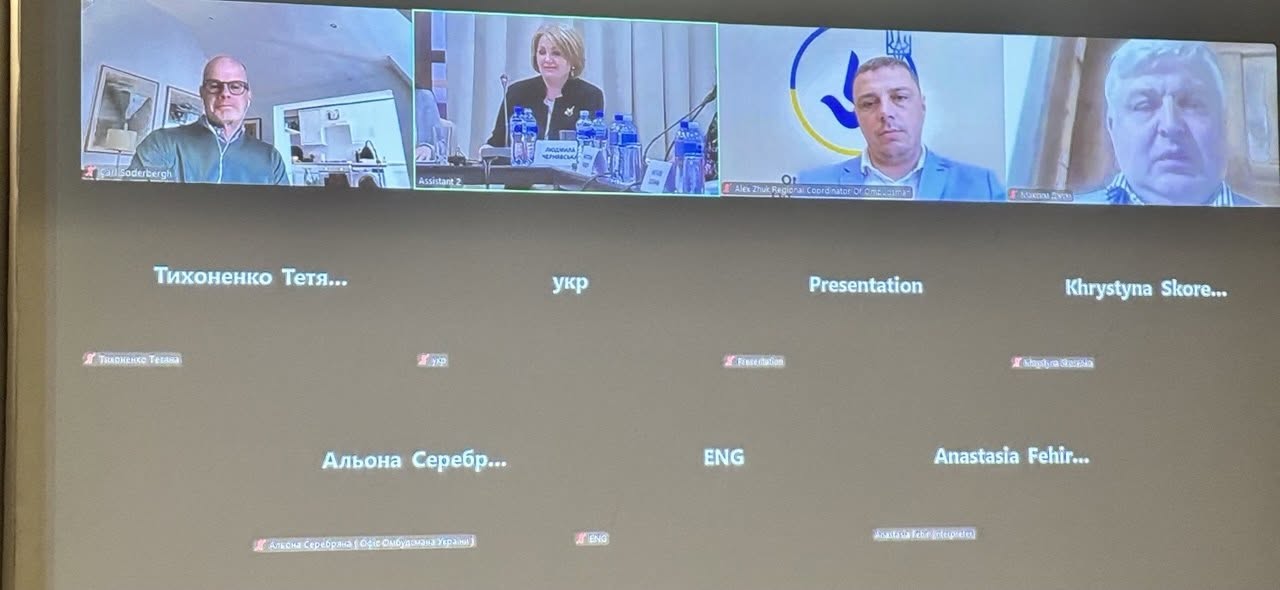
A representative of the WHO Country Office reported that monitoring visits to Odesa Region identified cases of inadequate water quality in several Roma settlements.
At the same time, a representative of the Ukrainian Ombudsman’s Office shared a positive example from Zakarpattia Region. Following a monitoring visit and cooperation with local authorities, a water supply system was established in the Roma settlement of Kontsovo village, demonstrating how collaboration can lead to tangible improvements.
The Need for Long-Term Solutions
International partners highlighted the importance of long-term environmental and infrastructure reforms, noting that these issues have a direct impact on public health and community well-being.
Representatives of the Roma Women Fund “Chirikli” emphasized the root causes of water access challenges and called on national and local authorities to pay greater attention to ensuring the basic rights of Roma communities.
Agreed Priorities
Participants agreed on several priority actions, including regular water quality monitoring, assessment of community needs and water-related illnesses, stronger community engagement in environmental decision-making, support for housing and personal documentation, improved dialogue between communities and authorities, and integration of water supply issues into national and regional development programs.
Special attention will also be given to awareness-raising initiatives aimed at helping communities better understand and exercise their rights.
The conference was attended by representatives of international partners, including
Council of Europe,
Council of Europe Office in Ukraine,
UUSC (Unitarian Universalist Service Committee),
and
Minority Rights Group.
#Chirikli #RomaCommunities #Environment #Equality #HumanRights