


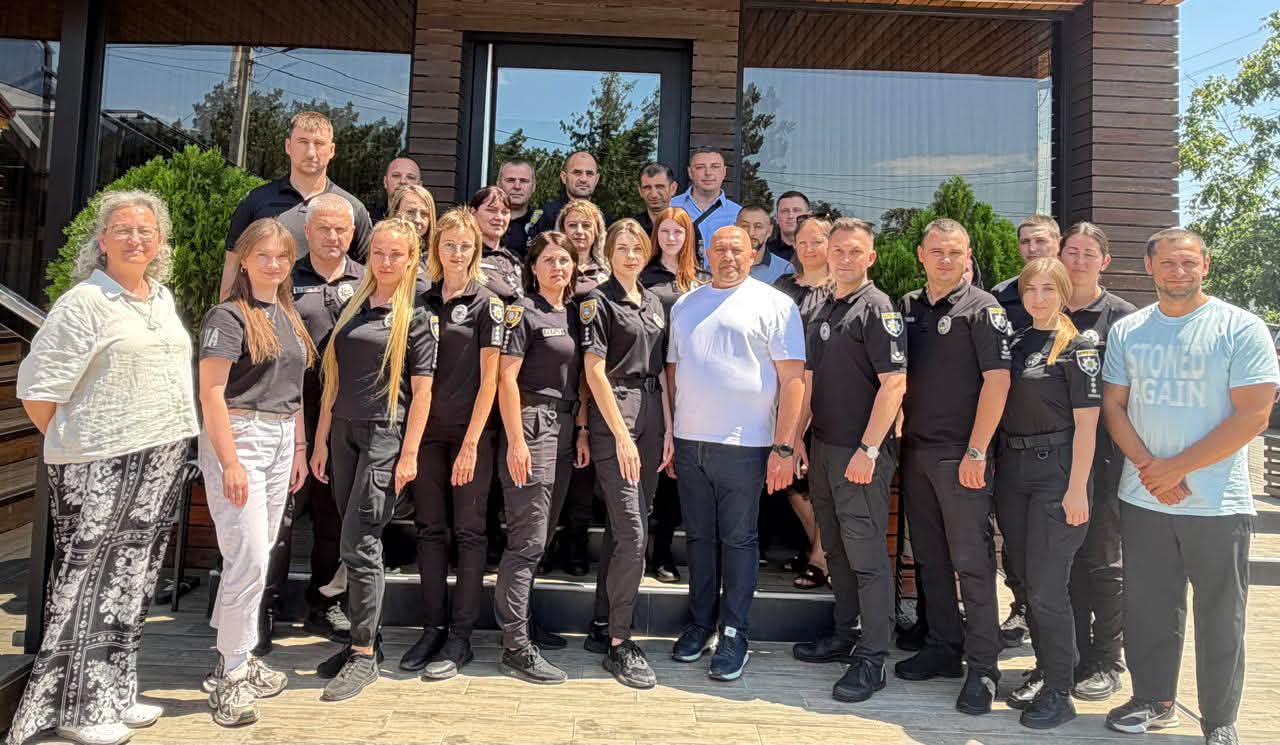
The Roma Women Fund Chirikli, together with the Ukrainian Parliament Commissioner for Human Rights and the Department of Chief Inspection and Human Rights Compliance of the National Police of Ukraine, held a one-day training course “Policing Without Discrimination: Legal Foundations, Romanipe and Conflict Prevention”.
It brought around one table officers of the National Police, Roma leaders and community representatives — parties who usually meet on far worse occasions.
Why trust does not build itself here
Relations between the police and Roma communities in Ukraine have a long history of mutual wariness. For the community, a police officer is often associated with a document check rather than with protection; for the officer, a Roma settlement is a place approached through default assumptions rather than knowledge.
Those assumptions are rarely spoken aloud, and therefore rarely tested. The training creates a rare setting in which both sides can name them directly — and see how they shape specific decisions in the field.
What was discussed
The programme covered six themes. The first was Romanipe, Roma history, culture and identity: basic knowledge about the community an officer works with. The second was the legal foundations of non-discrimination — what the law prohibits and where the line runs.
Next came stereotypes and prejudice and their effect on professional practice, followed by hate speech and its consequences. The programme closed with conflict prevention and the de-escalation of tense situations, and with effective police engagement with Roma communities based on human rights and mutual respect.
How it was run
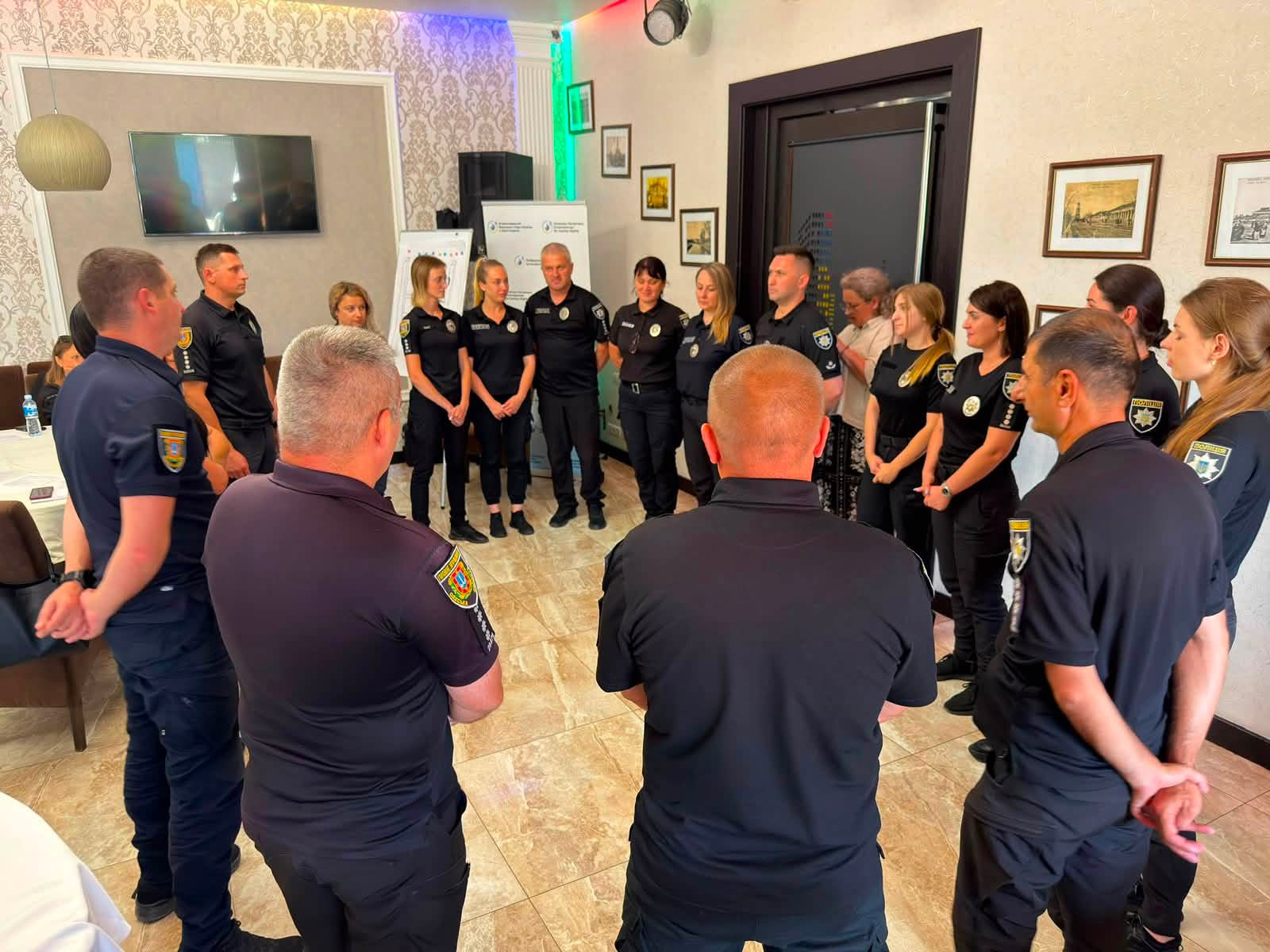
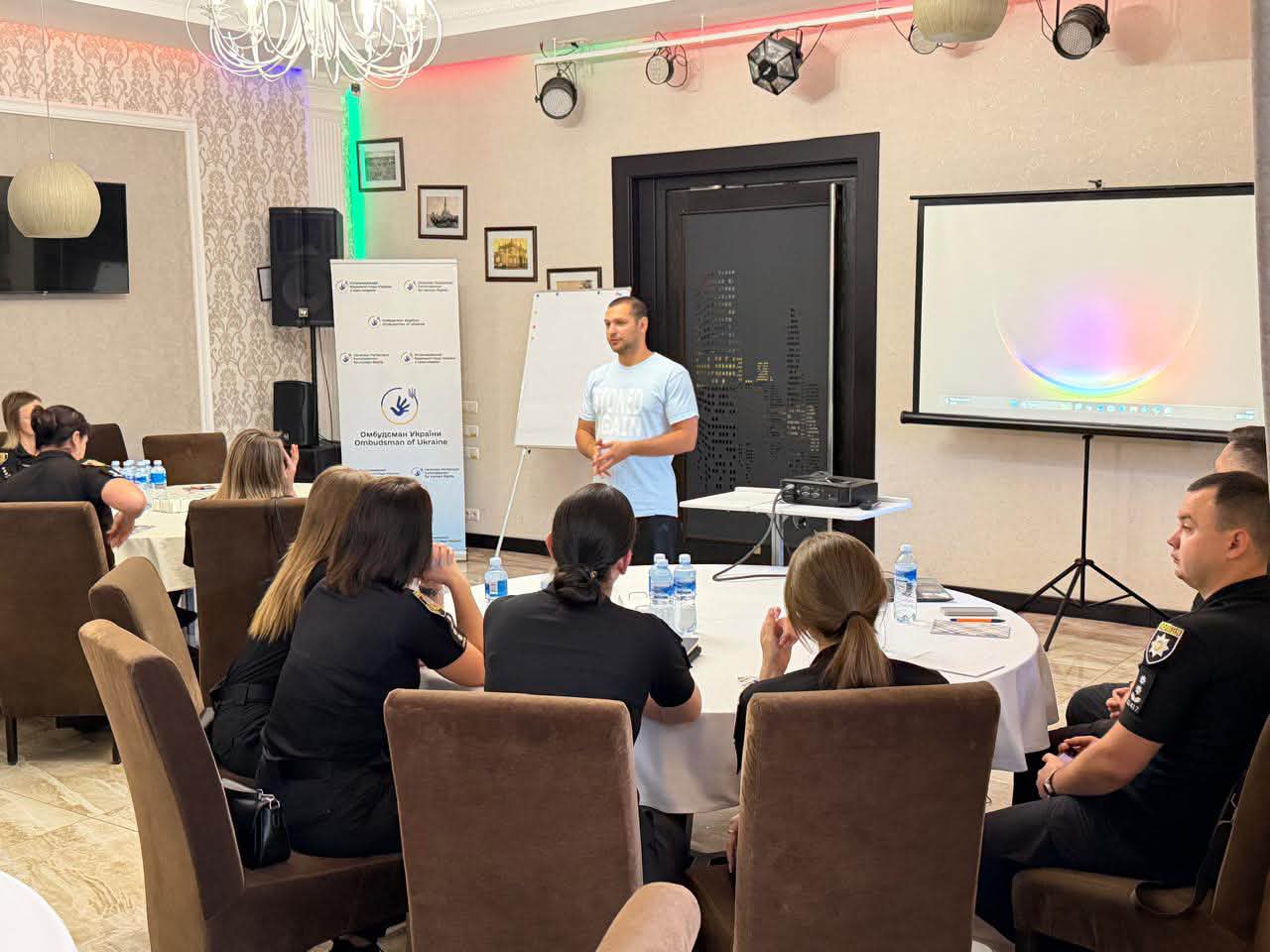
The format was not lecture-based. Participants did interactive exercises, worked in groups, examined practical cases, debated and exchanged experience.
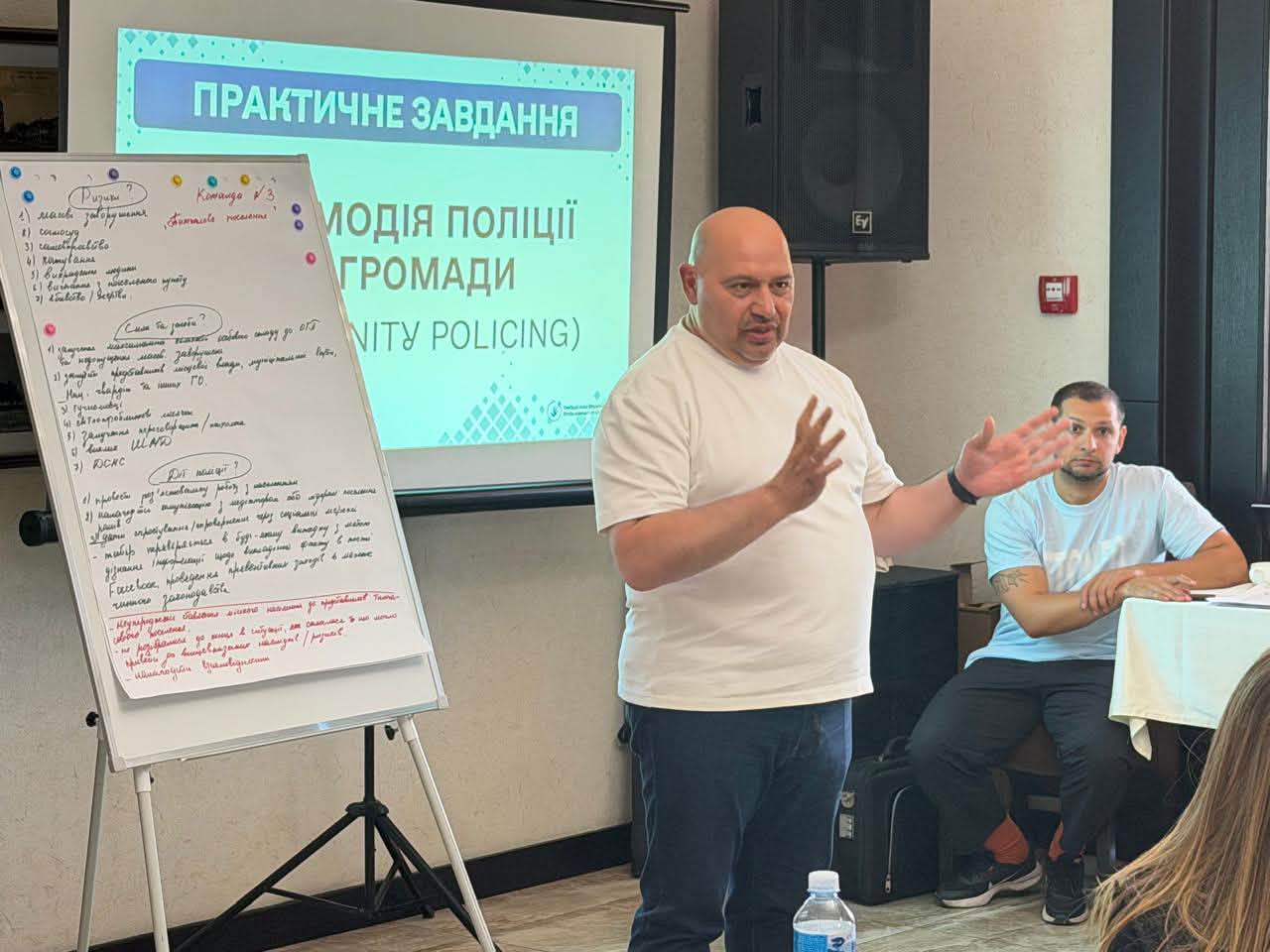
One of the practical tasks addressed engagement between the police and the community — what international practice calls community policing. Teams formulated the risks, resources and specific actions themselves, then defended their conclusions before the others.
The advantage of that format is simple: a conclusion a group reaches on its own lasts longer than a correct statement heard from a podium.
What it changes in practice
The aim of the training is professional, non-discriminatory policing. Not in declarations but in daily decisions: how to enter a community, how to talk, how not to turn an everyday situation into a conflict.
Trust between law enforcement and Roma communities is a condition of safety for both sides. A community that is not afraid to ask for help gives the police information; police who know the community make fewer mistakes.
Part of a wider effort
The training continues a direction the fund pursues systematically — from seminars on the rule of law and countering hate crime to multilateral dialogue on the protection of Roma rights.
Partnership between the police and communities is built through dialogue, mutual understanding and respect for human rights. There are no shortcuts here.
#Chiricli #Roma #HumanRights #NonDiscrimination #NationalPolice #Romanipe #Ombudsman