


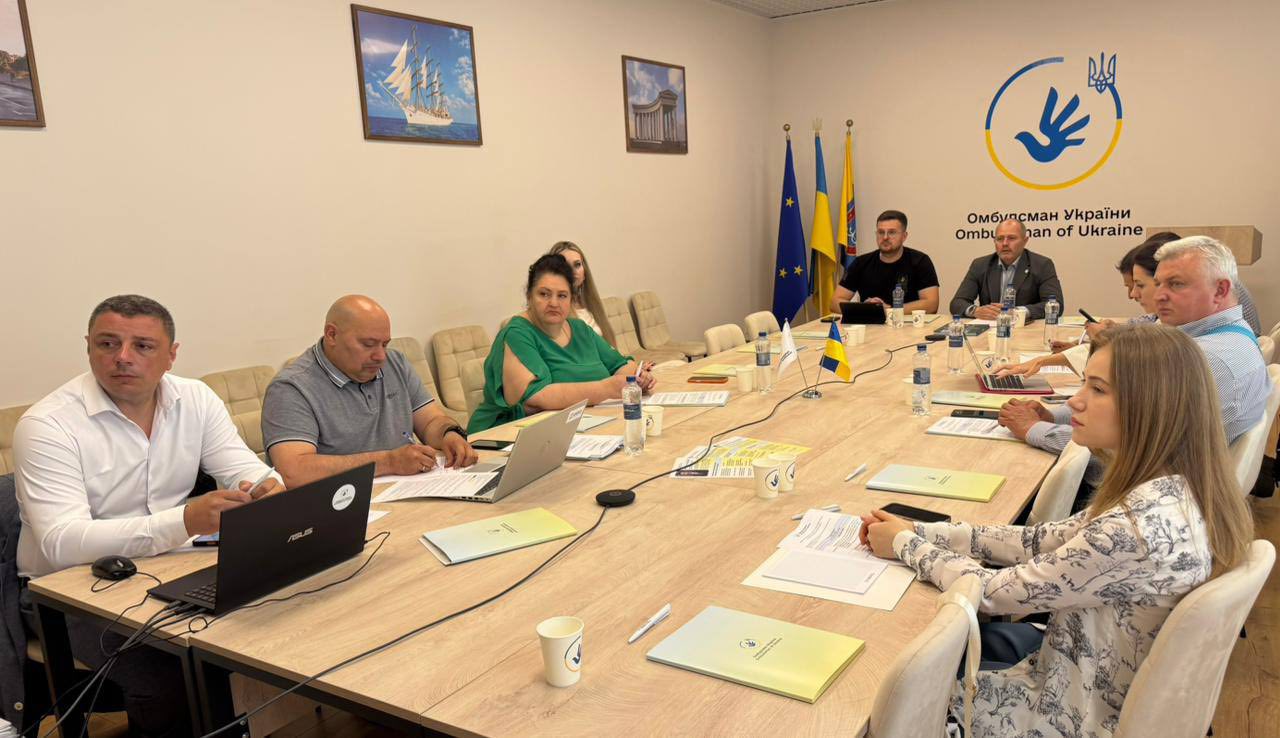
The Roma Women Fund Chirikli is preparing a large-scale survey of the Roma population in communities of the Zakarpattia and Odesa regions. The work is part of the project “Social Atlas of Roma Communities of Zakarpattia and Odesa Region”.
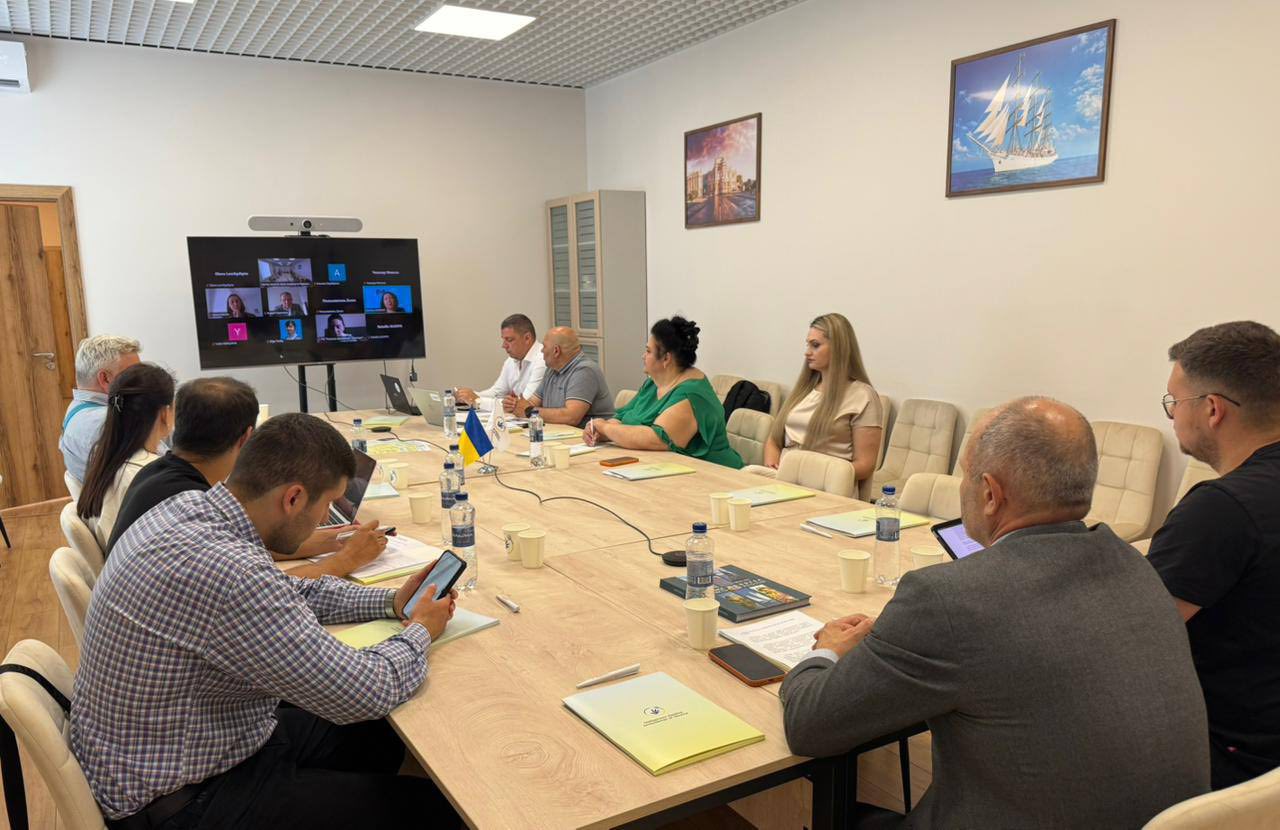
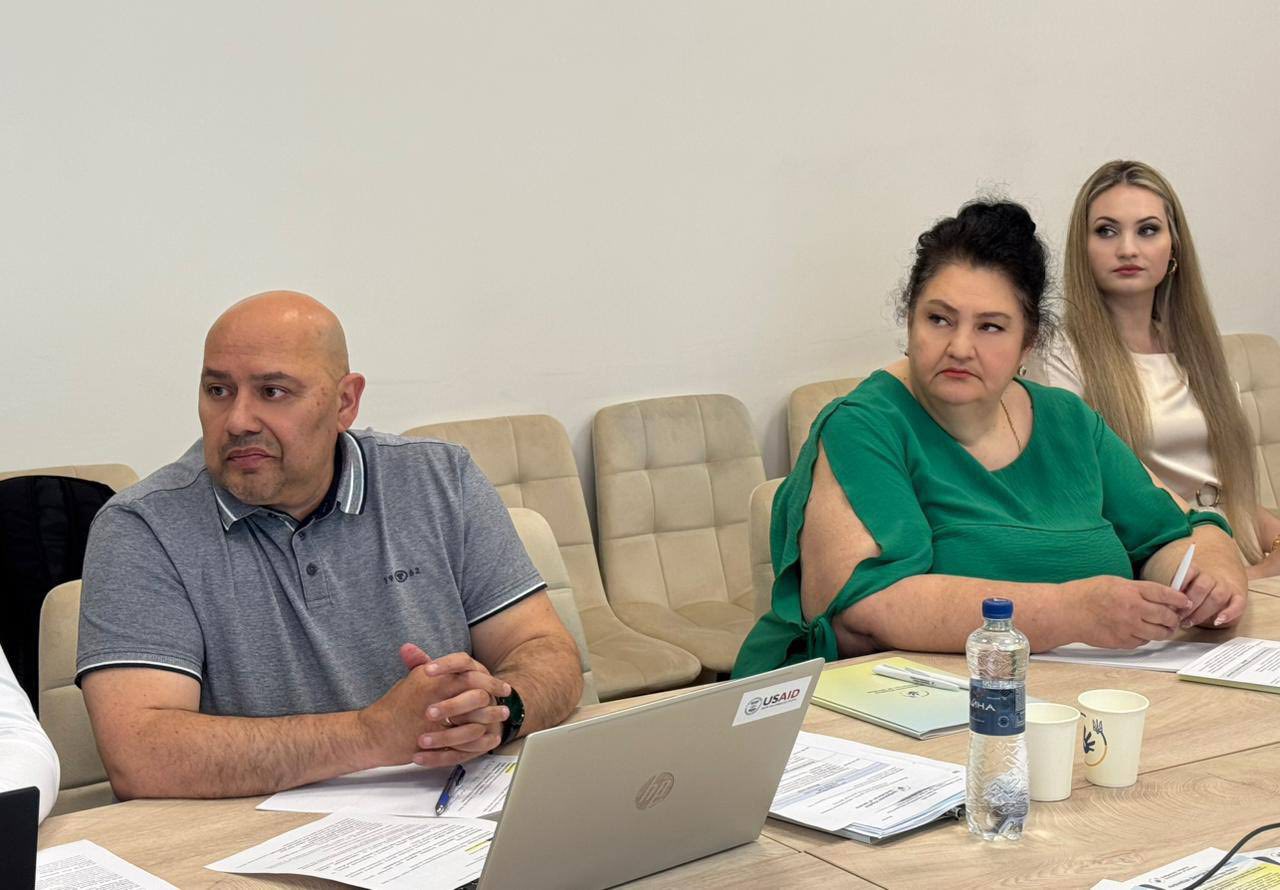
The survey will cover 12 territorial communities across the two regions. Its findings will be presented jointly with the Office of the Ombudsman of Ukraine.
What a social atlas is
A social atlas is a consolidated picture of how Roma communities live in a given territory: how many people remain without documents, what access they have to healthcare, education, social and administrative services, and exactly where the line runs between a service that formally exists and one that is out of reach in practice.
Without that picture, decisions are made blindly. The data collected will become the basis for measures at both local and national level — from simplifying access to administrative services to strengthening the protection of Roma rights.
Twelve communities in Zakarpattia and Odesa region
The project will cover 12 territorial communities in the two regions. The choice is not accidental: Zakarpattia and Odesa region are home to some of the largest Roma communities in the country, and their needs differ considerably.
For Zakarpattia this is already the second stage. Last year the fund’s monitors surveyed 530 Roma households in 10 communities of the region — more than 2,900 people; that data produced the first Social Atlas of Roma Communities in Zakarpattia. Odesa region is now being added to the study.
A consolidated atlas will make it possible to separate the problems shared by both regions from those that are local in nature. For local self-government bodies, that is the difference between a generic programme and measures that actually work on their territory.
Who will collect the data, and how
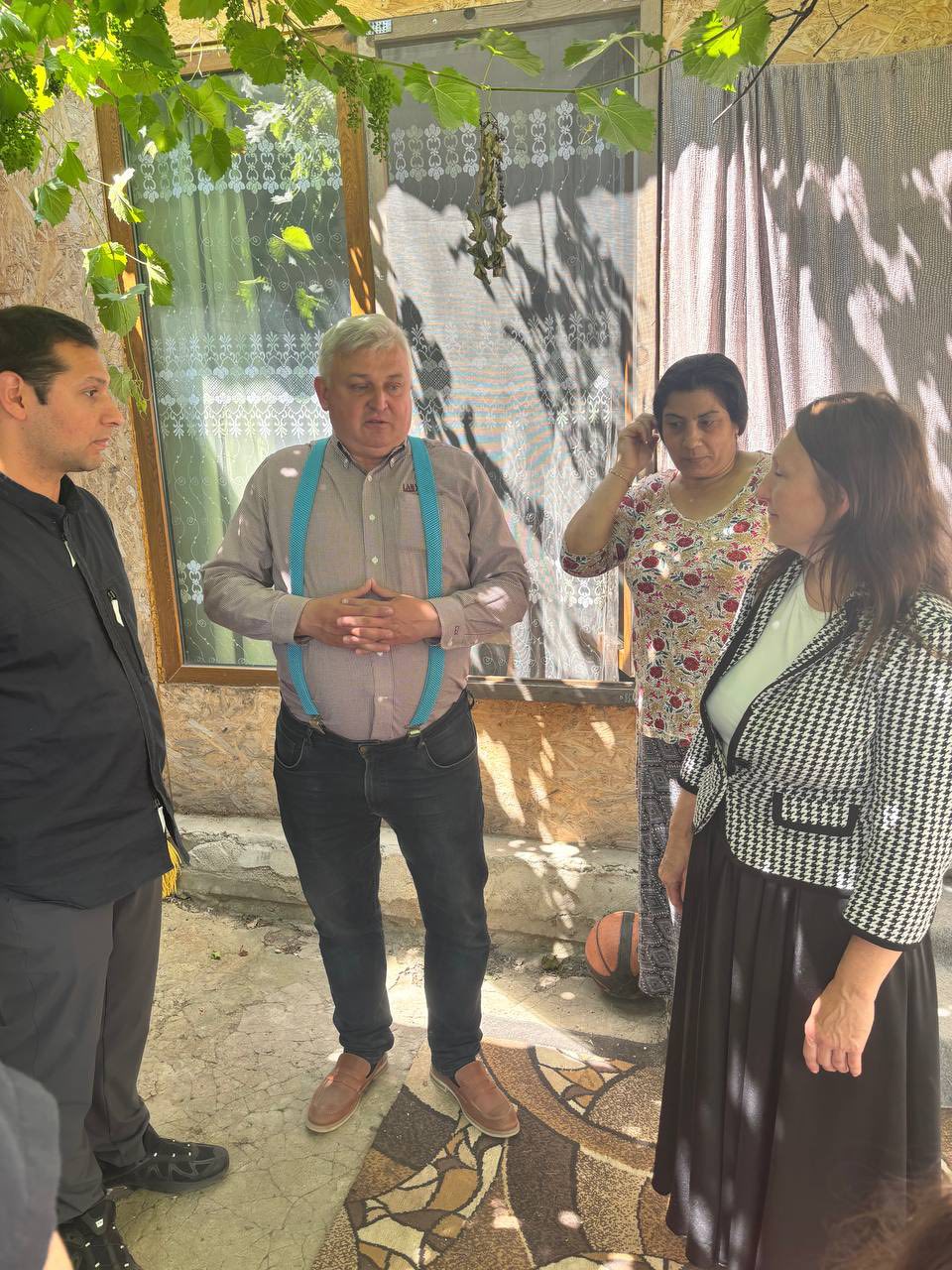
The survey will be carried out by Roma mediators and activists of the Chirikli fund — people the communities know personally. The method is face-to-face interviews in households: a conversation at home rather than a questionnaire sent by post.
This matters for reliability. Some of the questions concern documents, income and health — subjects a person will not discuss with a stranger from the regional centre.
All data will be collected voluntarily, confidentially and in line with personal data protection legislation. Taking part in the survey is each family’s own choice.
What happens after the study
Beyond the atlas itself, the project has a second aim: to establish direct dialogue between Roma communities and local self-government bodies, so that Roma needs are taken into account in community development programmes rather than left outside the planning process.
Once the study is completed, the findings will be presented jointly with the Office of the Ombudsman of Ukraine. That gives the conclusions weight that local authorities have to reckon with.
A separate strand of work will be information and awareness activities based on the analysis of the survey: the areas where the atlas reveals the widest gaps are where the outreach work will go. The main directions are known in advance — documentation, social protection, education, employment and other aspects of exercising the rights of the Roma community.
Acknowledgements
Chirikli thanks its mediators and activists for their daily work in the communities. It is their presence on the ground that makes a study like this possible.
Special thanks go to Osipov, Representative of the Ukrainian Parliament Commissioner for Human Rights on equal rights and freedoms, to the regional offices of the Ombudsman in the Zakarpattia and Odesa regions, and to all partners for their support and cooperation.
Together we are working to ensure that the voice of Roma communities is heard and their needs are taken into account.
#Chiricli #SocialAtlas #RomaCommunity #RomaRights #HumanRights #Zakarpattia #Odesa